Transmission Flushes, why and when should you have them done?
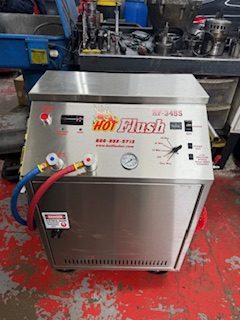
A transmission flush is a valuable maintenance service for automatic transmissions, ensuring optimal performance and longevity by removing old, contaminated fluid and replacing it with fresh fluid. It's especially important if your vehicle has a high mileage or experiences any shifting issues. While some manufacturers recommend flushes every 30,000 to 100,000 miles, others may have different guidelines.
-
Benefits of a Transmission Flush:
-
Removes Contaminants: Old transmission fluid can degrade and pick up dirt, metal shavings, and other debris. A flush cleans out these contaminants, preventing them from damaging internal components.
-
Improves Shifting: New, clean fluid can improve shifting smoothness and prevent slipping or hard shifts.
-
Reduces Heat: Dirty fluid can overheat the transmission, so a flush helps maintain cooler operating temperatures.
-
Extends Transmission Life: By removing contaminants and improving lubrication, a flush can contribute to a longer transmission life.
-
-
When to Flush:
- Check your owner's manual: It will provide specific recommendations for your vehicle's transmission fluid change and flush intervals.
- Look for signs of needing a flush: Dark or brown fluid on the dipstick, slipping gears, or delayed shifting can indicate it's time for a flush or at least a fluid change.
- Consult with a mechanic: If you're unsure about the recommended intervals or have concerns about your transmission, a mechanic can provide personalized advice.
- Check your owner's manual: It will provide specific recommendations for your vehicle's transmission fluid change and flush intervals.
-
Potential Issues with Flushes:
- Can worsen existing problems: If a transmission is already severely damaged, a flush might temporarily make the issues worse by dislodging debris and increasing pressure.
- Incorrect flushing techniques: Using the wrong equipment or procedures can damage the transmission.
- Cost: A transmission flush is typically more expensive than a simple fluid change.
- Can worsen existing problems: If a transmission is already severely damaged, a flush might temporarily make the issues worse by dislodging debris and increasing pressure.
Alternatives to Flushing:
- Transmission fluid change: This involves draining and replacing the fluid but doesn't always remove all the old fluid and debris.
- Manual transmission fluid change: For manual transmissions, a flush may not be necessary. A drain and fill is often recommended, along with filter replacement if the filter is connected to the pan
Reach out to us today and schedule your transmission flush with Dail Transmission conveniently located at 503 NY-17M #3 Middletown, NY 10940 or give us a call at (845) 801-0606.